
- Amps
- Instruments
- Pro Audio
- Accessories
- Support
- About
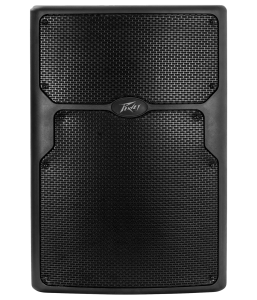
Bought speakers that sounded too weak for your room? Or way too powerful for a small bedroom setup?
Most people get this wrong because they chase the highest wattage number they can afford. This speaker wattage guide cuts through that and shows you exactly how to match power to your space.
More watts doesn't equal better sound. It means your speaker can handle more power without breaking. Volume, clarity, and coverage depend on sensitivity ratings, room size, and amp matching, not wattage alone. Once you understand that, buying the right speaker gets a lot easier.
Speaker wattage tells you how much electrical power a speaker can safely handle. The most useful number is RMS wattage, also called continuous power. This shows what the speaker can handle during regular use.
Peak wattage shows the maximum power a speaker may handle for a very short burst. It can look impressive, but it should not be the main number you use while comparing speakers.
For example, a speaker advertised as 1,000W peak may have a much lower RMS rating. That is why serious buyers should check the RMS rating first.
The right wattage depends on where you plan to use the speaker. A small bedroom does not need the same power as a live venue or outdoor event.
| Environment | Suggested Wattage Range | Best Use |
| Small bedroom | 20 to 50W | Casual music, gaming, and podcasts |
| Living room | 50 to 150W | TV, movies, music |
| Home studio | 80 to 200W | Recording, mixing, monitoring |
| Small venue | 200 to 500W | Live music, events, and presentations |
| Outdoor events | 500W+ | Open-air gatherings, PA systems |
These ranges are starting points, not fixed rules. A reflective room with tile floors, glass, and bare walls can make a speaker sound louder or sharper. A carpeted room with sofas, curtains, and furniture absorbs more sound, so it may need more power.
The goal is not to buy the biggest number. The goal is to choose enough clean power for the space.
A highly reflective room with hard floors and bare walls can make 100W feel overwhelming. A carpeted, furnished room absorbs sound and may need more power than the table suggests. Treat these ranges as a starting point, then adjust based on how the room actually sounds.
A speaker rated at 95dB sensitivity needs half the wattage of an 89dB speaker to hit the same volume.
So a 50W amp paired with a high-sensitivity speaker can genuinely outperform a 200W system running an inefficient driver. Always check the sensitivity rating alongside the wattage; they work together.
An underpowered amp clips the signal when pushed hard. That clipping distorts your audio and quietly damages your drivers over time.
Too much amp power isn't safe either; it can physically blow a speaker if you're not careful.
Stick close to your speaker's RMS rating when choosing an amp. RMS is the continuous power figure, not the peak number brands love to advertise. For gear built around proper system matching, Peavey Electronics designs speakers and amps that work together without the guesswork.
Many buyers focus on the wrong numbers and end up with sound that feels weak, harsh, or distorted.
Avoid these common mistakes:
A great speaker with the wrong amplifier can still sound poor. A modest speaker with proper matching can sound clean, balanced, and powerful.
Use this speaker wattage guide as a simple checklist before making a purchase.
This process helps you avoid overbuying and protects your equipment from damage.
Q: What does a speaker wattage guide actually help with?
A: It helps you match power to your room so you don't overbuy or end up with a weak system.
Q: Does higher wattage mean louder sound?
A: Not always sensitivity and amp matching matter just as much as wattage.
Q: How many watts of speakers are needed for a living room?
A: 50–150W covers most living rooms, but check sensitivity ratings too.
Q: How many watts of speaker are needed for outdoor use?
A: Start at 500W minimum open air eats volume fast.
Q: Should I look at RMS or peak wattage?
A: Always RMS it's the real continuous power figure, not the best-case burst number.
Q: Can a weak amp damage good speakers?
A: Yes, clipping from an underpowered amp is one of the most common ways drivers get fried.
Check your room size. Look at sensitivity ratings. Match your amp to the RMS spec. Follow this checklist, and you'll spend less and hear more.
Check your room size. Look at sensitivity ratings. Match your amp to the RMS spec. Use this speaker wattage guide as your checklist, and you'll spend less and hear more.
Not sure which speaker fits your setup?
Browse Peavey's speaker lineup at peavey.com and match by RMS rating and room size.

