
- Amps
- Instruments
- Pro Audio
- Accessories
- Support
- About
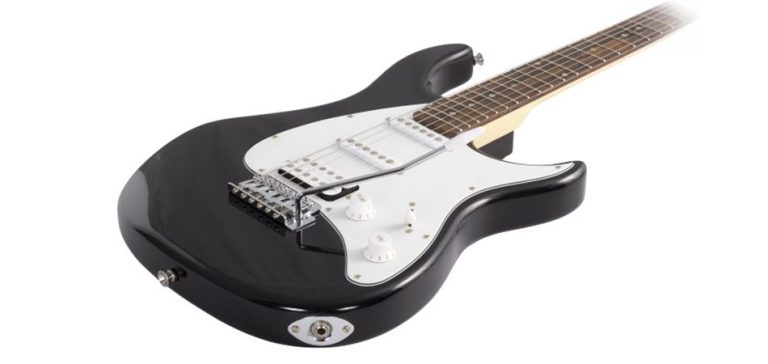
The landscape of modern music is a digital-first environment. We live in an era of limitless synthesis, algorithmic composition, and software-based production that can replicate almost any sound imaginable. Yet, despite this technological saturation, the electric guitar remains the definitive icon of musical expression. It hasn't just survived the digital revolution; it has integrated with it.
The electric guitar serves as a tactile interface that converts human intent into raw voltage with a level of nuance that MIDI controllers struggle to match. As we look at the current state of the industry, it is clear that the evolution of music is still being driven by instruments that prioritize control, reliability, and innovative hardware.
At its core, an electric guitar is a study in resonance and energy transfer. When a player strikes a string, they aren't just triggering a sample; they are initiating a complex physical event. The vibration of the string interacts with the density of the wood, the tension of the neck, and the magnetic field of the pickups. This "immediacy of response" is why the instrument remains the centerpiece of the recording studio.
Modern electric guitars and players demand an instrument that responds to the subtle variations of their pick attack and finger pressure. In a world where production can often feel "on the grid" and sterilized, the inherent "imperfections" of a vibrating string, the harmonic overtones, the slight growl of a humbucker, or the bell-like clarity of a single-coil, provide the texture that makes a mix feel alive.
To remain relevant, instrument design has had to move beyond the traditional "plank of wood" philosophy. Today’s professional-grade guitars are engineered with a focus on solving age-old problems: dead spots, tuning instability, and lack of sustain.
Furthermore, the choice of materials has evolved. We now see the use of roasted flame maple and rosewood fingerboards not just for their beauty, but for their specific tonal densities. A neck that remains stable under the heat of stage lights or the humidity of a touring van is no longer a luxury; it is a requirement for the working musician.
When discussing the pinnacle of current guitar design, the focus inevitably turns to instruments that offer a "custom shop" feel with production-line reliability. The HP2 series stands as a testament to this balance. Featuring a carved top and an offset body, these instruments are designed for ergonomic comfort during long sessions.
The technical specifications of these electric guitar models reflect a deep understanding of what a professional needs. Direct-mounted pickups are a crucial detail here; by mounting the humbuckers directly to the body wood rather than a plastic ring or pickguard, the vibrations of the body are captured more efficiently by the magnets. This results in a more resonant, "woody" tone that reacts dynamically to the volume knob.
When paired with a double-locking tremolo system and a contoured neck heel for easy upper-fret access, the result is a tool that removes the barriers between the player’s imagination and the final recording.
Perhaps the greatest reason electric guitars lead the way in modern music is how well they interface with digital tools. The current "silent stage" and "bedroom studio" trends rely heavily on amp modeling and DI (Direct Input) recording.
A high-quality electric guitar provides a clean, high-output signal that serves as the perfect canvas for digital processing.
This synergy between the analog string and the digital processor has created a new workflow where the guitar is more versatile than ever before.
The philosophy driving these designs is one of practical innovation. Peavey has consistently pushed for features that improve the player's life. From the pioneering use of CNC technology, which brought unprecedented consistency to guitar necks, to the development of the Powerplate, the focus has always been on the "workhorse" mentality.
These electric guitars are built for the reality of the music industry. Whether it is a Raptor in a teenager’s bedroom or an HP2 on a festival stage, the goal is the same: providing a stable, tonally rich platform that stays in tune and responds to the player's touch. This commitment to functional excellence is why Peavey remains a staple in the rigs of touring professionals and studio veterans alike.
A significant factor in the "long-term value" of an instrument is its ability to grow with the player. A guitar should not be a disposable piece of technology like a smartphone. It should be a lifelong companion.
By using high-quality hardware, heavy-duty switches, stable tuning machines, and solid bridge components, the manufacturers ensure that these instruments can be serviced and maintained for decades.
This longevity is a form of sustainability that is rare in the modern world. An electric guitar bought today can, and should, be used to create music forty years from now. This "future-ready" nature is built into the wood and the wire.
The electric guitar remains the leader of musical evolution because it is the most "human" of all modern instruments. It bridges the gap between the physical and the electronic, the traditional and the experimental. By choosing a platform like the HP2 or the Raptor, musicians are investing in a legacy of hardware innovation that prioritizes their creative voice above all else.
For those looking to define the next era of sound, the path forward is clear. Explore the range of Peavey electric guitars to find a model that fits your specific ergonomic and tonal needs. In a world of changing trends, the electric guitar remains the constant, the ultimate tool for those who have something to say.

