
- Amps
- Instruments
- Pro Audio
- Accessories
- Support
- About
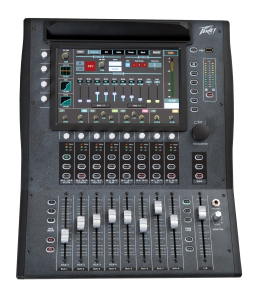
Picking between an analog vs digital mixer shouldn't feel like a guessing game. Both options work but only one actually suits your setup, workflow, and budget. This breakdown covers the real differences so you can make a call based on your workflow, not marketing copy.
These two technologies share the same job but approach it very differently. Analog runs your audio through physical circuits. Digital converts it into data and processes it through software. That core difference shapes everything price, feel, features, and how quickly you can get a show running.
Analog boards are fast to set up and easy to understand. Every knob does one thing, so you're never hunting through menus mid-show.
The sound has character, too. Many engineers love the warmth analog gear adds especially for vocals, live drums, and acoustic instruments.
However, you won't get built-in effects or scene recall. Want reverb? Add an external unit. Want to save your mix settings? Write them down. That's the trade-off.
Digital mixers pack a lot into a small frame EQ, compression, reverb, routing, and USB recording, all in one unit.
Here's how both stack up:
| Feature | Analog Mixer | Digital Mixer |
| Signal Path | Hardware circuits | Software processing |
| Latency | Zero | Slight (A/D conversion) |
| Built-in Effects | Rarely included | Almost always included |
| Scene Save / Recall | Not available | Instant recall |
| Channel Expansion | Requires bigger desk | Expandable via network |
| Learning Curve | Low very visual | Moderate menu-driven |
| Portability | Bulkier | Compact and lightweight |
| Price | Budget to mid-range | Mid to high |
Digital wins on features. Analog wins on speed and simplicity. Your workflow decides which matters more.
For touring engineers, scene recall alone is worth the switch. Load your full mix in seconds at every sound check, no rebuilding from scratch every night.
Live sound: Small clubs do fine with analog quick setup, no software headaches. Larger productions need digital for scene management and remote control.
Studio work: Analog adds console color and warmth that many producers genuinely want. Digital keeps things clean and flexible for multitrack sessions.
Beginners: Start analog. One knob, one function you learn the fundamentals fast without getting lost in settings menus.
For reliable gear across both categories, Peavey Electronics has been a trusted name in professional audio for decades built for working musicians and demanding live environments.
Analog costs less upfront. Digital saves you money over time because you skip buying external compressors, effects, and EQ units.
Think about your total rig cost not just the console price. Also consider where you're headed. If your setup will grow, digital gives you more room to scale.
Q: What's the main difference in an analog vs digital mixer?
A: Analog processes audio through physical circuits with zero latency. Digital converts sound to data, adding features like scene recall and built-in effects.
Q: Which mixer is better for beginners?
A: Analog every control is visible and physical, so you learn signal flow without navigating menus.
Q: Can a digital mixer replace outboard gear?
A: Yes, most digital boards include onboard compression, EQ, gates, and reverb no extra rack gear needed.
Q: Does analog actually sound warmer than digital?
A: Often, yes. Analog circuits add subtle harmonic color that some engineers actively prefer, especially for live and acoustic recordings.
Q: Are digital mixers harder to repair?
A: Generally, yes proprietary boards need manufacturer service. Analog components are easier to swap out on the road.
Q: How many channels do I need?
A: Count your inputs, then add 25–30% extra headroom. A four-piece live band typically needs 12–16 channels minimum.
The analog vs digital mixer debate doesn't have one right answer it has the right answer for you. Analog is fast, tactile, and great for simpler setups. Digital is flexible, powerful, and built for complex productions.
Pick based on how you actually work not what looks impressive on a spec sheet.
Still deciding?
Browse Peavey's full mixer lineup at peavey.com, and find a board that fits how you actually work

