
- Amps
- Instruments
- Pro Audio
- Accessories
- Support
- About
Choosing between a Peavey vs Fender amp comes down to one simple question: what do you need your guitar amp to do for your sound?
Some players want clean tones, smooth response, and a simple pedal platform. Others need punch, high-gain crunch, flexible controls, dependable construction, and enough power for rehearsals or stage use. The right amp is not just about the name on the front. It is about how the amp responds to your guitar, your music, and the way you play.
Peavey guitar amps are built to give electric guitars a strong, reliable voice, from clean warmth to heavy distortion. Whether you are practicing at home, recording, rehearsing with a band, or pushing for a full stage sound, Peavey offers combo amps, amp heads, and compact rigs designed for tone, durability, and ease of use.
If your priority is a rugged, flexible amp that can cover practice, recording, rehearsal, and live performance, Peavey is a strong choice. Peavey amps are built for players who want reliable construction, practical features, a wide tonal range, and straightforward controls that help them dial in their sound quickly.
If your main goal is a specific, clean, vintage-style sound, another brand may be part of your comparison. But if you want an amp that can move from clean warmth to high-gain crunch while staying practical for real playing situations, Peavey gives you a wide range of options.
A guitar amp does more than make your electric guitar louder. It shapes the character of your sound. It affects the feel of clean chords, the weight of rhythm parts, the sustain of lead lines, and the way your tone sits in a room or mix.
A good guitar amp should match your playing context:
Peavey designs guitar amps for these real-world needs, with options for beginners, casual players, recording guitarists, gigging musicians, and full bands.
When comparing any two amp brands, focus on the factors that actually change your playing experience.
| What to Compare | Why It Matters | How Peavey Helps |
| Tone Range | Your amp should support the music you play most | Peavey amps cover clean warmth, flexible EQ, high-gain crunch, and heavy distortion |
| Power | Bedroom practice and live stages require different output levels | Peavey offers compact combos, mini heads, full-size heads, and higher-power options |
| Format | Setup, portability, and cab flexibility affect daily use | Peavey offers combo amps for convenience and head-plus-cab options for custom rigs |
| Durability | Rehearsals, transport, and stage use demand reliable gear | Peavey amps are built with robust cabinets, transformers, hardware, and practical construction |
| Features | Modern players often need more than volume and tone | Peavey models include useful features such as effects loops, direct outputs, tone shaping, and output options |
| Ease of Use | A good amp should help you find your sound quickly | Peavey amps use straightforward controls for dependable dialing in |
This is where Peavey stands out. The lineup gives players practical choices, not just one type of amp for one type of sound.
If you are learning guitar or building your first rig, the best amp is one that makes practice enjoyable without feeling complicated. You need usable tones, simple controls, and enough flexibility to grow.
A compact Peavey combo is a strong place to start because it keeps setup easy. You do not need to match a separate head and cabinet, and you can practice, jam, or play in small rooms with one self-contained amp.
For beginners, look for:
Peavey amps are designed to let your playing shine without making the gear feel like an obstacle.
Live playing asks more from an amp. You need volume, headroom, dependable construction, and a sound that can hold up with drums, bass, and other instruments.
For small gigs or lower-volume rooms, a combo amp can be the right choice because it is easy to move and quick to set up. For larger venues, louder bands, or players who want more cabinet options, a head-plus-cab setup gives more flexibility and presence.
Peavey offers both paths. Compact models work well for practice and small gigs, while higher-power heads are built for stage-level performance. That makes it easier to choose an amp based on where you actually play instead of buying more amp than you need.
Players who use heavier distortion need an amp that keeps the sound clear, powerful, and controlled. For metal, hard rock, and high-gain genres, amp power and gain structure matter.
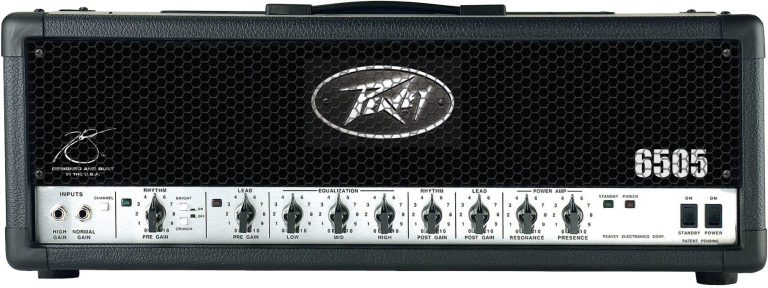
The Peavey 6505 1992 Original Guitar Amplifier Head is a strong example of a stage-ready Peavey high-gain option. It is a 120-watt tube head built around the original 1992 tone character, with high-gain preamp power and massive output.
For players who want the 6505 sound in a more compact format, the Peavey 6505 MH Guitar Mini Amp Head brings that gain structure into a 20-watt all-tube mini head. It is useful for players who want a serious tone without the footprint of a full-size head.
If your Peavey vs Fender amp search is really about finding heavier tones, stronger saturation, sustain, and clarity, Peavey gives you direct options built for that job.
Not every Peavey player is chasing heavy gain. Many guitarists need clean warmth, touch-sensitive response, and a strong foundation for pedals.
The Peavey Classic 20 Guitar Combo Amplifier is a 20-watt all-tube combo designed for warm Classic Series tone, with modern features such as a power attenuator. The Classic 20 MH Guitar Mini Amp Head gives players a compact head format with warm, versatile tones for different playing styles.
Peavey's Musician 60 112 Guitar Amp Combo is another useful option for players who want tube tone, power, and pedal platform versatility. With a 60-watt all-tube design and ModeMaster for Class A/B switching, it gives players a flexible foundation for clean tones, dynamic playing, and effects-based rigs.
If you compare Peavey against another clean-focused brand, the question becomes what kind of flexibility you want. Peavey gives you clean tones plus practical features, stage-ready formats, and room to move into gain when your music calls for it.
This is one of the most important choices when shopping for guitar amps.
A combo amp puts the amplifier and speaker in one box. It is convenient, easy to transport, and practical for home use, practice, small gigs, and players who want a simple setup.
A head-plus-cab setup separates the amplifier from the speaker cabinet. This gives you more flexibility, easier upgrades, and more control over the cabinet and speaker combination. It can also be the better choice for louder live setups or players who want to build a custom rig over time.
Peavey offers both formats, so you can choose based on your playing needs:
Start with how and where you play.
For bedroom practice or small jams, choose a lower-watt combo that gives you good tone without overwhelming the room. For rehearsals, live shows, or louder bands, consider a higher-watt combo or amp head with enough output to cut through the mix.
Then think about tone. Do you need clean warmth, bluesy response, high-gain crunch, or heavy distortion? A flexible amp with EQ, channel switching, and useful output options can help you cover more ground.
Finally, plan for growth. If you expect to gig, record, or expand your setup, look for features such as an effects loop, direct output, flexible cabinet options, or a head format that can grow with your rig.
| Peavey Guitar Amp | Best Fit |
| Joshua Homme Decade Too Guitar Amp Combo | Compact practice, creative recording, distinctive amp character |
| invective.112 Guitar Combo Amplifier | Clean tones, high-gain leads, modern versatility |
| Musician 60 112 Guitar Amp Combo | Tube tone, pedal platform versatility, live and studio use |
| 6505 1992 Original Guitar Amplifier Head | High-gain rock, metal, stage-level power |
| 6505 MH Guitar Mini Amp Head | Compact all-tube high-gain tone |
| Classic 20 Guitar Combo Amplifier | Warm tube combo tone with modern flexibility |
| Classic 20 MH Guitar Mini Amp Head | Compact head format for warm, versatile tones |
This is not the full Peavey guitar amp lineup, but it shows the range of choices available, from compact combos to powerful heads.
A good guitar amp delivers a clear tone across usable volume levels, has reliable construction, and gives you practical features such as tone shaping, output options, an effects loop, or flexible channels.
Yes, a small combo can work for small venues or low-volume gigs. For larger venues, louder bands, or heavier music, a higher-watt combo or head-and-cab setup usually provides more headroom and presence.
Choose a combo amp if you want easy setup and portability. Choose a head and cab if you want more flexibility, more upgrade options, and a rig that can be shaped around different cabinets.
Tube amps are often chosen for warmth and natural overdrive. Solid-state and hybrid amps can provide consistent output, durability, and lower maintenance. The better choice depends on your sound, budget, and playing needs.
For metal and high-gain styles, a powerful amp head such as the Peavey 6505 can help deliver saturation, sustain, clarity, and the presence needed for low tunings, heavy rhythm parts, and loud band settings.
The Peavey vs Fender amp decision should come back to your sound, your playing context, and the features you actually need.
If you want a guitar amp built for durability, useful tone shaping, flexible formats, and a wide tonal range from clean warmth to high-gain crunch, Peavey gives you options that fit real players in real situations. From compact practice combos to stage-ready heads, Peavey amps are designed to help your guitar sound strong, reliable, and ready for the next song.
Browse the Peavey guitar amp lineup to find the amp that fits your style, your venue, and your sound.

